Nurse Practitioner Design: A Practical Review for Embroidery
As a designer who has spent countless hours hooping fabric and troubleshooting thread breaks, I approach every new machine embroidery design with a mix of curiosity and caution. When I first opened the files for the Nurse Practitioner graphic, my immediate thought was not about how pretty it looked on a screen, but how it would translate to thread. In the world of handmade goods, a design is only as good as its stitch-out. This review breaks down the practical application of this asset, specifically for those of us running small shops or creating personalized gifts where quality cannot be compromised.
First Impressions and Visual Personality
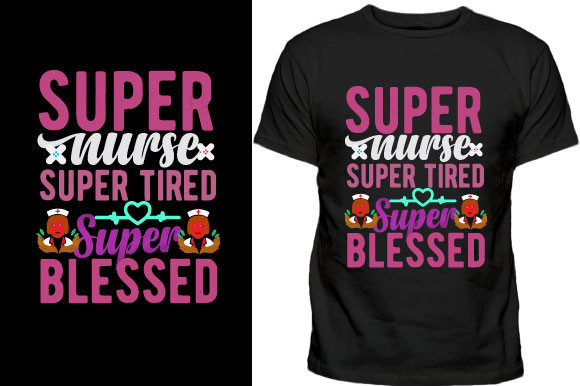
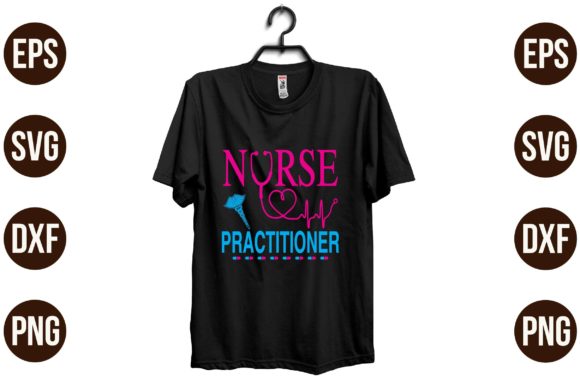
The Nurse Practitioner design carries a professional yet warm aesthetic. It does not rely on overly complex shading or microscopic details that often cause headaches during production. Instead, it features clean lines and a layout that suggests clarity and care—traits highly valued in the healthcare community. For an embroidery project, this visual simplicity is a strength. It means the design is less likely to suffer from distortion when stitched onto textured fabrics like terry cloth towels or thick fleece sweatshirts.
The mood it creates is one of pride and professionalism. It is not just a job title; it is an identity. This makes it an excellent candidate for custom apparel where the wearer wants to feel recognized and respected. Whether you are designing for a graduation gift, a retirement present, or daily work wear, the graphic strikes a balance between decorative and dignified.
Real-World Application: The Custom Tote Test
To truly evaluate any embroidery file, you must imagine it in a real-life scenario. Recently, I considered using this design for a custom embroidered tote bag intended for a nursing student. Tote bags are notorious for their loose weave and tendency to pucker if the stitch density is too high. Because the Nurse Practitioner layout appears open and well-spaced, it seemed like a safe bet. I envisioned using a medium-weight canvas with a cut-away stabilizer to ensure the letters remained crisp without pulling the fabric.
Beyond totes, this design shines on sweatshirt embroidery. The soft texture of a cotton-blend hoodie provides a forgiving background for satin stitches. If you are an Etsy seller looking to expand your catalog, this type of graphic is versatile enough to work on caps, aprons, and even pillow covers for a nurse’s break room. The key is matching the thread colors to the garment. A white or light gray thread on a navy blue scrub top creates a classic, high-contrast look that reads well from a distance.
Navigating File Formats and Compatibility
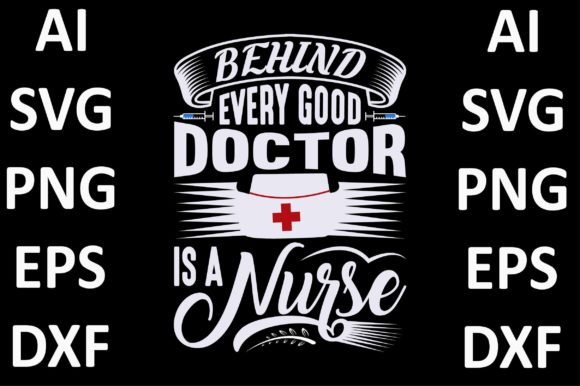
One aspect that requires careful attention is the file structure. The product description states that you receive a zip file containing SVG, PNG, EPS, DXF, and JPEG formats, and it is noted as compatible with Cricut. It is crucial to understand that these are primarily vector and raster image formats, often used for cutting machines or print templates. For traditional machine embroidery, you typically need specific stitch files like PES, DST, or JEF.
If you are using a digital cutting machine like a Cricut to create heat transfer vinyl (HTV) or applique designs, these files are perfect. You can use the SVG or DXF to cut out the shape and apply it to fabric. However, if you intend to stitch this directly with an embroidery machine, you may need to digitize these graphics yourself or ensure your software can convert them accurately. Always check the license terms before selling finished items or digital products derived from these assets. For craft business owners, understanding the distinction between a print template and a native embroidery file is vital to avoiding production delays.
Technical Considerations for Stitching
When preparing to stitch any design, especially one representing a professional title, precision is paramount. Here are several practical notes to consider before you hit the start button:
- Test on Scrap Fabric: Never stitch a final product without a test run. Use the same fabric type and stabilizer combination you plan to use for the client.
- Check Thread Contrast: Ensure the thread color stands out against the fabric. Low contrast can make the text difficult to read, diminishing the professional look.
- Review Stitch Density: If you are digitizing this from the provided SVG or EPS, pay close attention to stitch density. Too dense, and the fabric will pucker; too sparse, and the backing will show through.
- Confirm Hoop Size: Make sure the design fits comfortably within your hoop with adequate margin for stabilization.
- Inspect Small Details: Look for tiny elements that might not stitch out cleanly. Simplify if necessary to maintain clarity.
For those using this as an applique design, the clean edges of the SVG file will make cutting and positioning much easier. Applique can be a great way to add texture and dimension to baby embroidery items or holiday embroidery projects without adding excessive bulk to the garment.
Where to Use Caution
While the design is versatile, there are situations where it requires careful handling. Avoid placing it on highly stretchy fabrics without proper stabilization, as the movement can distort the lettering. Curved surfaces, such as the front of a cap, can also challenge the integrity of straight lines. If you are stitching on dark fabric, consider using a lighter thread or adding a underlay stitch to prevent the fabric color from bleeding through the design.
Additionally, be mindful of washability. Items like kitchen towels and aprons undergo frequent laundering. Ensure your thread choice is colorfast and that the stitch-out is secure. A poorly secured design can unravel, leading to customer dissatisfaction and returns for small shop products.
Enhancing Brand Value and Customer Trust
Using a well-executed design like Nurse Practitioner can significantly boost the perceived value of your handmade product. Customers associate clean, professional embroidery with quality and care. For boutique branding, consistency is key. If this design aligns with your shop’s aesthetic, it can become a staple in your inventory. It appeals to a specific niche—healthcare professionals—who are often willing to pay a premium for personalized, high-quality items that reflect their career pride.
Whether you are creating a printable mockup for your online store or stitching the final product, the clarity of this graphic helps in marketing. It looks professional in photos, which drives buyer engagement. For digital embroidery file sellers, offering well-tested, versatile designs builds trust with your audience. They know they are getting a product that works in the real world, not just on a computer screen.
In conclusion, the Nurse Practitioner graphic is a strong contender for various embroidery projects, provided you understand its file limitations and technical requirements. By treating it with the respect it deserves—through proper testing, stabilization, and thread selection—you can create stunning, durable items that resonate with your customers. Keep your tools sharp, your stabilizers ready, and your eye for detail keen.