Reviewing the Letter H Stethoscope Medical Logo for Embroidery
As a designer who has spent countless hours digitizing and stitching out medical-themed motifs, I approach every new Letter H Stethoscope Medical Logo with a mix of curiosity and caution. Medical branding is tricky. It needs to convey trust, cleanliness, and professionalism, but when translated into thread, it can easily become messy or illegible if the design isn’t robust. Recently, I had the opportunity to evaluate this specific vector asset for a client’s custom apparel line, and I want to share my practical insights on how it performs in real-world embroidery scenarios.
First Impressions and Visual Personality
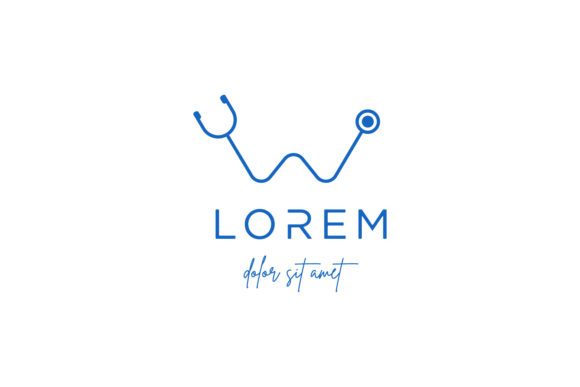
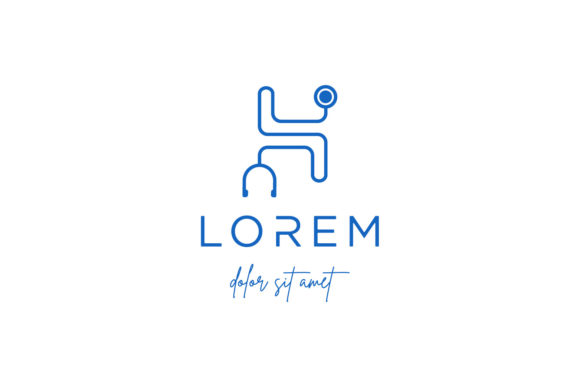
The first thing that strikes you about this design is its clever integration of typography and iconography. The letter H is not just a static character; it is intertwined with the tubing of a stethoscope, creating a cohesive unit that speaks directly to healthcare professionals. The mood is modern and clean, avoiding the cluttered look that often plagues medical logos. For an embroidery project, this simplicity is a blessing. Complex gradients and thin lines are the enemies of the needle, but this design relies on strong, bold shapes that translate well into stitch patterns.
When I opened the files, I noted that the product is delivered as a full vector SVG and EPS package, specifically mentioning Illustrator 10 compatibility. This is crucial for us as designers because it means we have full control over the artwork before we even begin the digitizing process. Being able to adjust the text and scale the graphic without losing resolution allows for precise customization, which is essential when preparing a machine embroidery design for various hoop sizes.
Real-World Application: The Custom Tote Bag Test
To truly understand the viability of this logo, I decided to test it on a medium-weight canvas tote bag, a popular item for nursing students and medical staff. The goal was to create a durable, professional-looking accessory that could withstand daily use. I chose a deep navy blue fabric to simulate a common uniform color and selected white and light gray thread colors for high contrast.
The stitching process revealed the importance of proper digitizing. While the source file is a high-resolution vector, converting it into an embroidery file requires careful attention to stitch density. The curves of the stethoscope tubing needed smooth satin stitches to avoid jagged edges, while the thicker parts of the letter H benefited from a fill stitch to provide solid coverage. The result was crisp and legible. The design held its shape well, thanks to the use of a cut-away stabilizer, which is non-negotiable for items that will be washed frequently.
Versatility Across Products
Beyond tote bags, this design shows promise across a wide range of products. For sweatshirt embroidery, the bold lines stand out beautifully against fleece or cotton blends. It works equally well as a left-chest logo on scrubs or lab coats, provided the size is scaled down appropriately. I also see potential for baby embroidery on onesies for children of healthcare workers, though in those cases, simplifying the design further might be necessary to accommodate smaller hoops and delicate fabrics.
For Etsy sellers and small shop owners, this type of design assets is gold. It allows for quick customization. Since the text is ready to change, you can personalize the logo with a clinic name or a nurse’s initials, turning a standard graphic into a personalized gift that commands a higher price point. Whether it’s for holiday embroidery gifts for medical staff or year-round custom apparel, the versatility is evident.
Technical Considerations and Challenges
However, no design is without its challenges. When working with this logo, you must be mindful of where you place it. On curved surfaces like caps, the width of the stethoscope tubing might cause puckering if the stabilizer isn’t secure. I recommend using a strong tear-away or wash-away stabilizer for hats and testing on scrap fabric first. Additionally, if you are stitching on dark or textured fabrics, ensure your thread colors have enough contrast. A low-contrast combination can make the intricate details of the stethoscope disappear.
Another critical factor is the hoop size. While the vector nature allows for infinite scaling, embroidery machines have physical limits. If you attempt to stitch this design too small, the fine details of the stethoscope earpieces may merge together, resulting in a blob of thread rather than a recognizable image. Always check the minimum viable size by stitching a test sample. For very small applications, such as on a pocket or a narrow cuff, consider simplifying the design or removing the smallest elements to maintain clarity.
Enhancing Brand Value and Customer Trust
From a business perspective, the quality of your embroidery directly impacts customer trust. A sloppy, poorly stitched logo can undermine the professionalism of a medical brand. This Letter H Stethoscope Medical Logo, when executed correctly, enhances the perceived value of the finished product. It signals attention to detail and care, which are traits patients and clients look for in healthcare providers. For commercial embroidery projects, consistency is key. Using a reliable vector source ensures that every item produced looks identical, reinforcing brand recognition.
Moreover, the ability to customize the text adds a layer of exclusivity. Buyers are more likely to engage with a product that feels made specifically for them. Whether it’s a printed mockup for an online listing or the actual finished product in hand, the personal touch drives sales. For craft business owners, this means you can offer a premium service without needing to create entirely new designs from scratch.
Practical Designer Notes
- Test on Scrap Fabric: Always run a test stitch on the same type of fabric you plan to use for the final product. This helps you identify any issues with tension or density.
- Check Thread Contrast: Use high-contrast thread colors to ensure the design remains legible, especially on dark or patterned fabrics.
- Review Stitch Density: Adjust the density in your digitizing software to prevent puckering, especially on lighter fabrics.
- Confirm Hoop Size: Ensure the design fits within your machine’s hoop capabilities without compromising detail.
- Inspect Small Details: Zoom in on the vector file to check for any tiny elements that might not stitch out well and simplify if necessary.
- Use Proper Stabilizer: Choose the right stabilizer for your fabric type—cut-away for stretchy fabrics, tear-away for stable wovens.
- Verify Licensing: Before selling finished items or digital products, confirm the license terms associated with the vector files to ensure commercial use is permitted.
In conclusion, the Letter H Stethoscope Medical Logo is a strong candidate for medical-themed embroidery projects. Its clean lines and smart integration of text and iconography make it versatile and professional. By paying attention to technical details like stitch density, stabilizer choice, and fabric contrast, you can transform this digital asset into a high-quality handmade product that resonates with healthcare professionals and their communities. Whether you are an experienced digitizer or a beginner looking to expand your small shop product line, this design offers a solid foundation for creative and commercial success.