Reviewing the Medical Healthcare T-Shirt Design for Embroidery
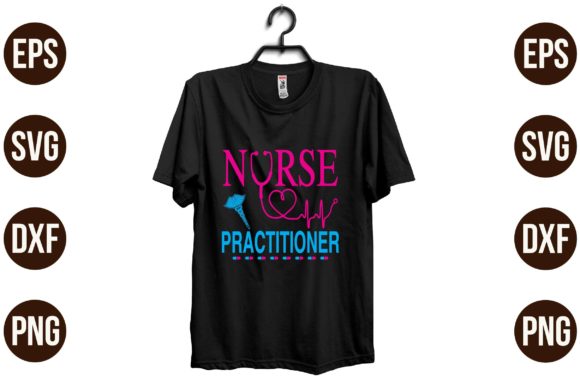
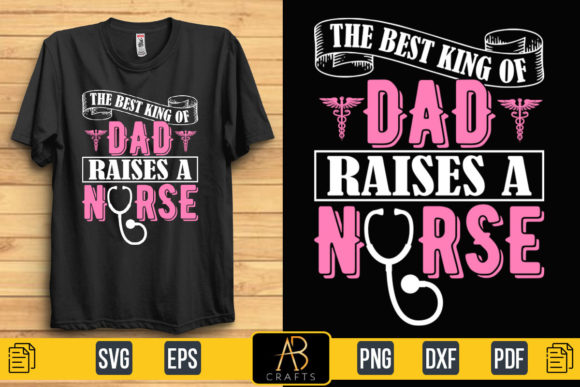
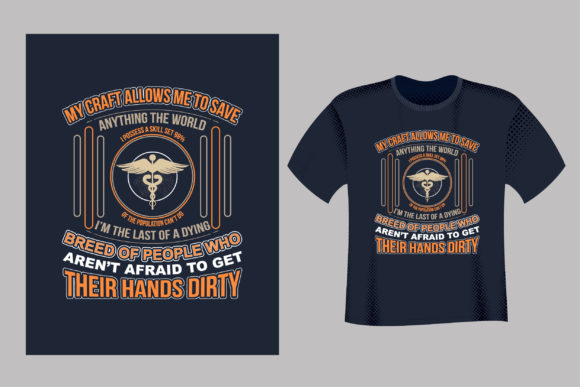
As a designer who spends half my life digitizing and the other half stitching, I have learned that not every graphic translates well to thread. When I first pulled up the Medical Healthcare T Shirt Design, my immediate reaction was one of cautious optimism. In the world of Print Templates and digital Graphics, medical-themed artwork often leans too heavily into clip-art aesthetics or becomes so complex that it loses its impact when scaled down. However, this particular design caught my eye because of its clean lines and balanced composition, which are critical factors when moving from screen to fabric.
First Impressions and Visual Personality
The mood of this design is professional yet approachable. It avoids the sterile, cold feeling that some healthcare imagery can project. Instead, it offers a sense of care and reliability. For an embroidery project, this is vital. The layout appears structured, with clear separation between elements. This suggests that the negative space has been considered, which is often where amateur designs fail. When I imagine this stitched out, I see potential for crisp satin stitch borders and smooth fill stitch areas that do not look like a tangled mess of thread.
The visual personality fits squarely into the niche of professional apparel and personalized gifts. It is not overly playful, which makes it suitable for adult garments, but it is not so severe that it cannot be adapted for softer items. This versatility is what makes a machine embroidery design valuable to a craft business owner. You want an asset that can work across multiple product lines without requiring significant modification.
Real-World Application: The Custom Scrub Cap Scenario
To truly evaluate this design, I mentally placed it on a specific product: a custom scrub cap for a local nurse. This is a common request for Etsy sellers and small shop owners. The curved surface of a cap presents unique challenges. If the design is too wide, it distorts around the crown. If the stitch density is too high, the fabric puckers. Looking at the proportions of the Medical Healthcare T Shirt Design, it seems compact enough to sit comfortably on the front panel of a standard cap or the chest pocket area of a scrub top.
Beyond caps, I can see this working beautifully on a heavy-weight cotton tote bag. A tote bag design needs to be bold enough to be seen from a distance but detailed enough to show quality craftsmanship. The strong shapes in this graphic would hold up well against the texture of canvas. For a handmade product intended for daily use, durability is key. The design does not appear to rely on tiny, fragile details that would unravel after a few washes, which is a major selling point for commercial embroidery projects.
Versatility Across Product Lines
One of the strengths of this asset is its adaptability. Here is how I envision it performing across different items:
- Sweatshirt Embroidery: On a fleece or French terry fabric, the design would pop. The loft of the fabric provides a nice backdrop, but you must ensure the stabilizer is sufficient to prevent sinking.
- Baby Embroidery: While the theme is medical, the clean style could work for a "Future Doctor" onesie. However, you must check the scale. Tiny details might irritate sensitive skin or get lost in the stretch of knit fabrics.
- Embroidered Patch: This is perhaps the best use case. Creating a merrow-edged patch allows you to control the backing and stabilizer completely. It turns the design into a versatile accessory that can be ironed onto jackets, bags, or hats.
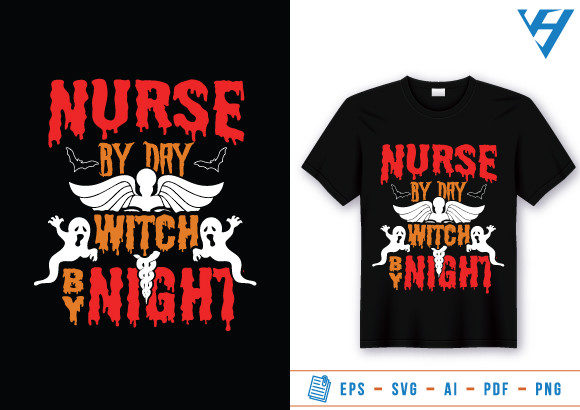
- Holiday Embroidery: With the right thread colors, such as red and white, this could be adapted for seasonal gifts for healthcare workers, adding a personal touch to a personalized gift.
Technical Considerations for Stitching
Before loading any digital embroidery file into your machine, you must consider the technical realities. Since the product description mentions this is a high-quality design for business and personal use, we assume a certain level of digitization proficiency. However, as a reviewer, I must advise caution regarding specific technical specs that are not explicitly listed in the brief description.
Stitch Density and Fabric Texture
If this design uses dense fill stitches, it may cause puckering on thin fabrics like poly-cotton blends commonly used in scrubs. Always test on scrap fabric first. If the design feels stiff after stitching, reduce the density in your editing software if possible, or use a cut-away stabilizer for support. On textured fabrics, such as terry cloth towels, ensure the design does not have long running stitches that could get caught in the loops.
Thread Color Contrast
Medical themes often rely on blues, greens, and whites. Ensure your thread colors have enough contrast against your garment. A white design on a light gray shirt will vanish. Test your design in black and white mockups to verify that the shapes remain distinct even without color differentiation. This is crucial for maintaining professionalism in your finished product.
Hoop Size and Placement
Confirm the hoop size required. If the design is large, it may not fit in a standard 4x4 inch hoop, requiring a 5x7 or larger. For curved surfaces like caps or sleeves, a smaller hoop is often easier to manage. Check whether the design elements extend too close to the edge, which can cause hooping issues or needle breaks.
Commercial Viability and Brand Consistency
For craft business owners and small shop product creators, consistency is brand equity. Using a cohesive set of design assets helps customers recognize your work. The Medical Healthcare T Shirt Design offers a clean, modern look that aligns well with current trends in boutique branding. It does not look dated, which extends the shelf-life of your inventory.
When selling on platforms like Etsy, the perceived value of an item is heavily influenced by the quality of the embroidery. A clean, well-stitched design builds customer trust. If the threads are neat and the registration is accurate, buyers are more likely to leave positive reviews and return for future purchases. This design, with its clear lines and professional theme, supports that goal. It elevates a simple t-shirt or tote into a thoughtful custom apparel piece.
Final Designer Notes
Before committing to a large production run or listing this as a new item in your store, take these practical steps:
- Check Licensing: The description states it is good for business and projects, but always confirm the specific license terms. Can you sell the physical embroidered item? Can you resell the digital file? Clarify this before investing time.
- Test on Dark Fabric: Medical designs often use light colors. Test the design on navy or black fabric to see if underlay stitches are sufficient to prevent the background color from showing through.
- Inspect Small Details: Zoom in on the digital preview. Are there any tiny text elements or fine lines that might break during stitching? If so, consider simplifying those areas or increasing the stitch width.
- Verify File Formats: Ensure the download includes the format compatible with your machine (PES, DST, JEF, etc.). Not all machines read all formats, and conversion can sometimes alter stitch paths.
In conclusion, the Medical Healthcare T Shirt Design is a solid choice for designers looking to expand their healthcare-themed portfolio. It balances aesthetic appeal with practical stitchability. By paying attention to fabric choice, stabilizer type, and thread contrast, you can create high-value embroidery project outcomes that resonate with customers. Whether for a holiday gift or a professional uniform, this design has the potential to perform well in real-world applications.